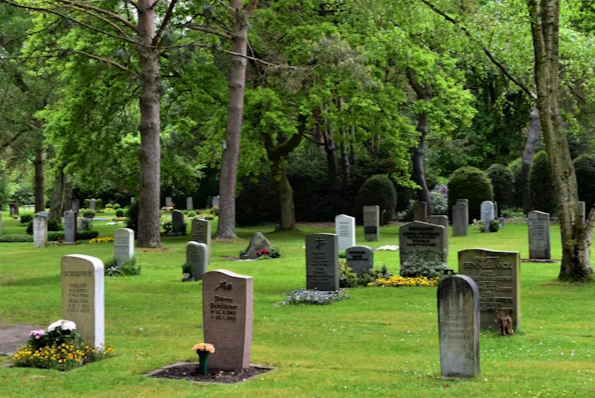
Gravestones are long-term memorials designed to preserve the identity, memory, and legacy of a person. Over time, however, they are exposed to weathering, biological growth, pollution, and general environmental wear. Cleaning a gravestone is not a cosmetic act alone; it is a form of preservation that helps maintain legibility, structural integrity, and respect for the memorial site.
Preserving Legibility And Historical Information
One of the most practical reasons for gravestone cleaning is the preservation of inscriptions. Names, dates, and personal messages gradually fade as moss, lichen, dirt, and mineral deposits accumulate on the surface. In some cases, these details become difficult or impossible to read without careful cleaning. Restoring clarity ensures that essential information is not lost to time and that future visitors can still understand the significance of the site.
In older cemeteries, gravestones may also carry historical value beyond the individual they commemorate. They can reflect local heritage, family lineage, or cultural practices from earlier periods. Keeping inscriptions visible helps maintain this historical record in a way that supports both personal remembrance and broader historical understanding.
Preventing Long-Term Material Deterioration
Gravestones are typically made from materials such as limestone, sandstone, granite, or marble. Each of these materials reacts differently to environmental exposure, but all are vulnerable to gradual degradation. Biological growth like moss and lichen can trap moisture against the surface, accelerating erosion and weakening the stone over time.
Regular, careful cleaning reduces the buildup of these damaging elements. This helps slow down deterioration and can extend the lifespan of the stone significantly. In many cases, neglect allows minor surface issues to develop into deeper structural damage that becomes difficult or impossible to reverse. Proper maintenance therefore plays a preventative role rather than a purely aesthetic one.
Maintaining Respect And Dignity
Gravestones serve as physical places of remembrance. When they become heavily overgrown or obscured, the sense of care and visibility is diminished. Cleaning a gravestone is often viewed as an act of respect, ensuring that the memorial remains presentable and dignified.
For families, this act can also carry emotional significance. Visiting a clean and well-maintained grave can create a clearer sense of connection and remembrance. It reinforces the idea that the individual is still being acknowledged and honoured, rather than forgotten or neglected.
Improving Safety And Site Preservation
In some cases, excessive biological growth can create slippery surfaces or obscure unstable areas of stonework. While gravestones are not typically high-risk structures, older monuments may develop cracks or shifting sections over time. Cleaning allows for closer inspection of the stone, making it easier to identify early signs of damage.
This early identification is important because it allows for timely conservation work before more serious deterioration occurs. Without regular attention, small structural issues can worsen, leading to potential collapse or irreversible loss of detail.
Supporting Responsible Conservation Practices
Proper gravestone cleaning is also part of responsible heritage conservation. When done correctly, it helps preserve both individual memorials and the wider character of historic burial grounds. It ensures that cemeteries remain places of dignity, reflection, and historical continuity rather than sites of neglect.
It is important to note that cleaning must be carried out using appropriate methods and materials, as harsh chemicals or abrasive techniques can permanently damage the stone. When handled correctly, however, it becomes a simple but meaningful way to protect memory, history, and craftsmanship over time.